
PPC management in London Ontario should feel controlled. The campaign should know which searches matter, which locations are worth paying for, what the landing page promises, and what kind of lead is valuable enough to pursue again.
The plain version: PPC management is deciding where the money is allowed to go, then checking whether that money created anything useful. If the account cannot explain that loop without ten dashboards, it is harder to manage than it needs to be.
Policy and Fit Come Before Spend
Google's advertising policies group requirements into prohibited content, prohibited practices, restricted content and features, plus editorial and technical requirements. Google also states that advertisers are responsible for complying with applicable laws and Google policies.[1] For local businesses, this means the ad account cannot be managed in a vacuum.
A dentist, lawyer, real estate agent, contractor, financial service, and medical-adjacent business may all need different guardrails. Good PPC management checks the service, claim, location, landing page, and conversion path before spend increases.
Campaign Structure Is the First Control Point
Many local accounts fail because one campaign is asked to do too many jobs. Emergency service, high-ticket quote requests, brand protection, competitor comparison, and general awareness are different kinds of demand. They should not all share the same ad groups, budgets, and landing pages.
If emergency HVAC, legal consultations, bookkeeping, and renovation quotes all behave differently, their campaigns should not be treated like the same product. Local PPC needs tight service themes, realistic geography, negative keywords, and landing pages that match the promise in the ad.
Search Terms Tell the Truth
The account's search terms show what people actually typed. That report is where a campaign admits whether it is buying real intent or random curiosity. Some terms deserve more budget. Some need negative keywords. Some expose a landing-page gap.
For example, a business that wants paid consultations may still attract searches for jobs, templates, free advice, school projects, used equipment, government forms, or DIY repairs. Those clicks are not harmless. They train the budget away from the buyer you actually want.
This is why our Google Ads management in London Ontario work includes search-term review, budget pacing, landing-page alignment, and lead-quality feedback. Clicks are not the prize. Qualified leads are.
Conversion Tracking Has to Match the Business
Google describes conversion measurement as a way to identify which keywords, ads, ad groups, and campaigns drive valuable activity, including website actions, phone calls, app activity, and offline conversions.[2] For a local service business, that means the conversion action should reflect what the owner actually values.
A form fill from a poor-fit lead is not the same as a booked consultation. A six-second call is not the same as a quote request. A lead outside the service area should not carry the same weight as a lead from London, St. Thomas, Strathroy, or another area the business can serve.
Tracking Is Useful, Not Perfect
Google Ads conversion tracking can rely on site-wide tags, click identifiers such as GCLID, auto-tagging, conversion linker setup, and cross-domain tracking. Google also notes that browser settings, cookie opt-outs, iframe issues, or incomplete setup can reduce measurement accuracy, with modeled conversions filling some gaps in certain cases.[3]
That means PPC reporting should be interpreted with discipline. The account should not pretend every lead is captured perfectly. It should show enough evidence to make the next budget decision better than guessing.
Landing Pages Carry the Sale
PPC does not fix a confusing offer. If the ad says PPC management and the page talks about every marketing service at once, the visitor has to sort the business for you. That is expensive friction.
A strong landing page repeats the service, names the area, explains the problem, gives proof, shows the next step, and removes obvious doubts. It should answer what happens after the form, who will respond, what information is needed, and why the company is credible enough to call.
Good Management Makes Waste Visible
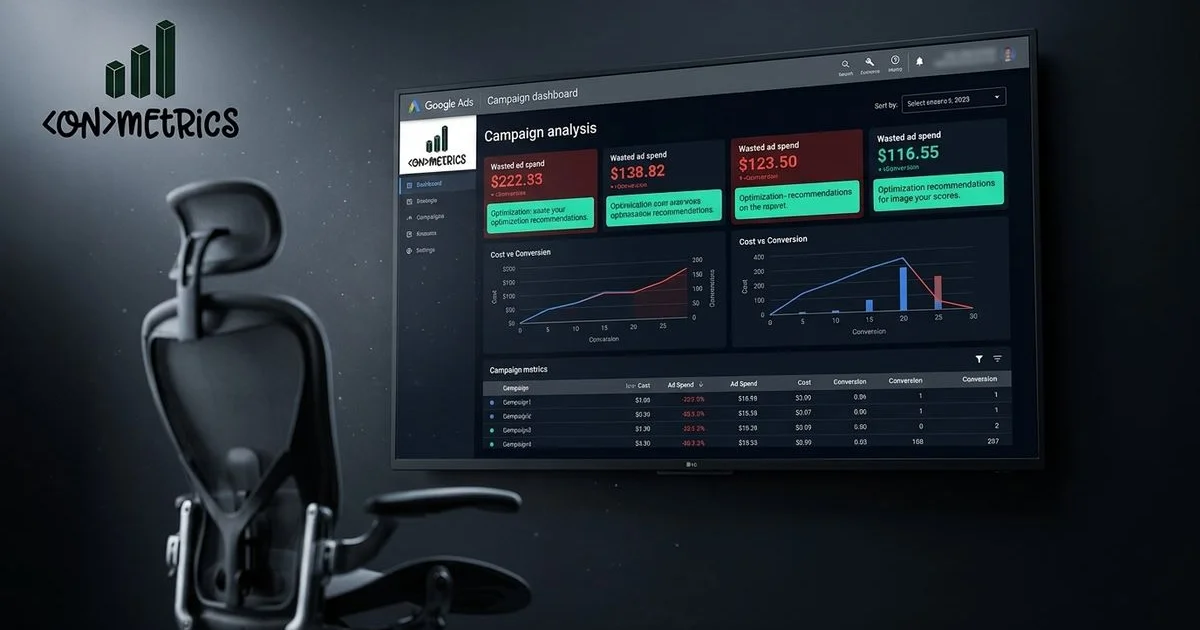
A useful monthly review should not stop at impressions, clicks, and cost per lead. It should inspect the search terms that spent money, the ads that attracted the wrong intent, the landing pages that converted or stalled, the hours and locations that produced qualified calls, and the leads the sales team actually wanted.
The best PPC accounts are not perfect. They are readable. You can see what changed, why it changed, what it cost, and whether the next dollar deserves to follow the last one.
References
- [1] Google Ads, Advertising Policies Center. https://support.google.com/adspolicy/answer/6008942
- [2] Google Ads Help, About Conversion Measurement. https://support.google.com/google-ads/answer/1722022
- [3] Google Ads Help, How Google Ads Tracks Website Conversions. https://support.google.com/google-ads/answer/7521212
Based in London, Ontario. ONmetrics provides data-driven digital marketing in London, Ontario and across Southwestern Ontario. Book a free audit →