
Real estate lead generation in Ontario is full of noise. Buyers browse. Sellers estimate. Investors compare. Some leads are serious this month. Others are six months away and not ready to talk to anyone.
The goal is not more names in a spreadsheet. The goal is better conversations with people who understand who they are contacting, what they asked for, and what happens next.
Advertising Clarity Comes First
RECO Bulletin 5.1 says advertising can include internet and social media material and that all advertising must include the brokerage name. It also says agents are prohibited from advertising unless the brokerage is clearly and prominently identified.[1]
That changes how real estate lead pages should be written. A landing page should not hide the brokerage relationship, blur who is making the offer, or use a generic form that feels detached from the professional who will follow up.
Claims Need to Be Accurate and Verifiable
RECO's advertising guidance tells agents and brokerages to provide clear and accurate information, avoid false, misleading, deceptive, vague, or incomplete claims, and support comparative, award, volume, activity, promise, or offer language with enough detail to avoid misunderstanding.[1]
That means "top agent," "best value," "guaranteed sale," "exclusive buyer list," or "highest price" language needs careful proof or should be avoided. Trust starts when the visitor can tell who is behind the message, what service is offered, and why the next step is appropriate.
Online Ads Still Count
RECO's online advertising bulletin applies the same advertising expectations to online formats and emphasizes that online ads must still identify the brokerage clearly and avoid confusion or misleading presentation.[2]
That matters for search ads, landing pages, lead forms, social posts, neighbourhood pages, and downloadable guides. A lead magnet is still part of the advertising system. It should be clear, accurate, and tied to a real professional context.
Separate Buyer, Seller, and Investor Intent
A first-time buyer guide, a home valuation page, a relocation landing page, and an investor lead magnet should not all use the same pitch. The questions are different. The timeline is different. The follow-up should be different too.
Buyer content needs neighbourhood fit, affordability, financing questions, and showing process. Seller content needs pricing confidence, prep steps, market timing, and proof that the agent can position a listing. Investor content needs numbers, rules, rent assumptions, and deal filters.
That is why digital marketing for real estate should use separate funnels for buyer leads, seller leads, recruitment, neighbourhood content, and paid campaigns.
Conversion Tracking Should Measure Lead Quality
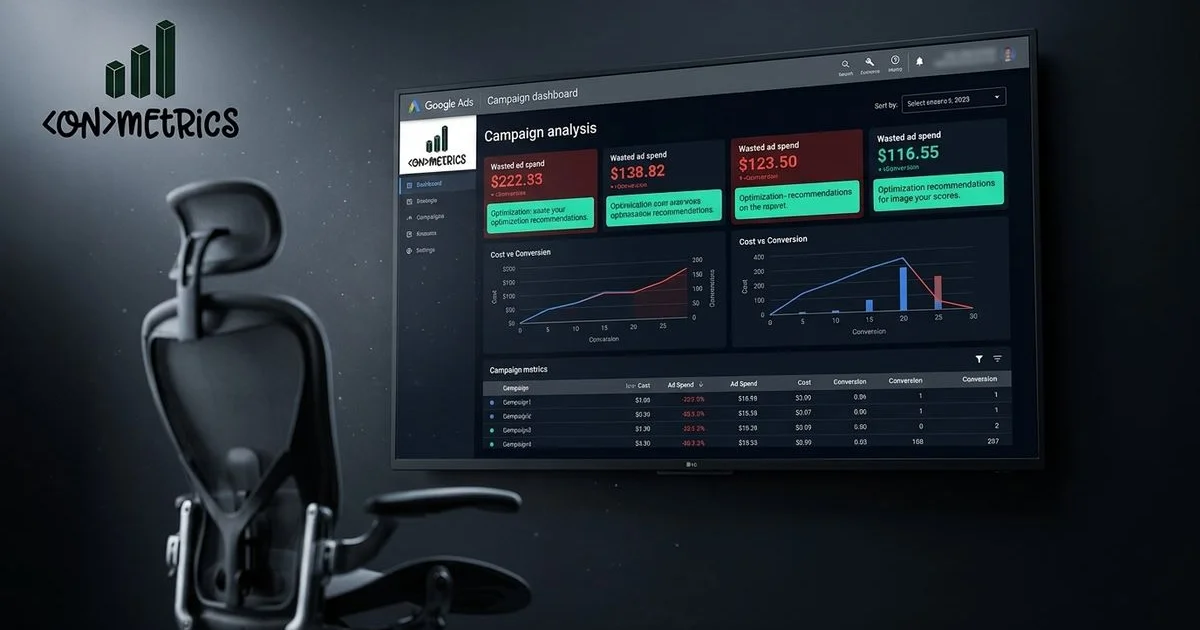
Google Ads describes conversion measurement as a way to identify which campaigns, ads, keywords, and ad groups drive valuable actions, including website actions, calls, and offline conversions.[3] In real estate, a raw form fill is only the start.
The better question is whether that lead had a valid phone number, a real timeline, a location fit, and a reason to speak with the agent or brokerage. Without that quality layer, the campaign may reward the source that produces the most names instead of the source that produces appointments.
Use Content to Pre-Qualify
Good real estate content can pre-qualify the conversation before the form. A seller page can explain the valuation process. A buyer page can set expectations about financing, showings, and offer timing. A neighbourhood page can show local knowledge. That makes the eventual lead less cold because the visitor has already learned how the agent thinks.
The long-term authority play is building pages that prove local knowledge: neighbourhood guides, seller preparation, buyer timelines, market-update explainers, relocation pages, and campaign-specific landing pages. Those pages can support both organic rankings and paid campaigns because they make the agent or brokerage easier to evaluate before the form.
That content also protects follow-up quality. When the page sets expectations clearly, the first call can start with the buyer timeline, the seller property, or the investor criteria instead of re-explaining what the form was for. Better lead generation starts before the lead is captured.
References
- [1] RECO Bulletin 5.1, Advertising Requirements. https://www.reco.on.ca/agents-and-brokerages/reco-bulletins/reco-bulletin-5-1-advertising-requirements
- [2] RECO Bulletin 5.3, Advertising Online. https://www.reco.on.ca/agents-and-brokerages/reco-bulletins/reco-bulletin-5-3-advertising-online
- [3] Google Ads Help, About Conversion Measurement. https://support.google.com/google-ads/answer/1722022
Based in London, Ontario. ONmetrics provides data-driven digital marketing in London, Ontario and across Southwestern Ontario. Book a free audit →