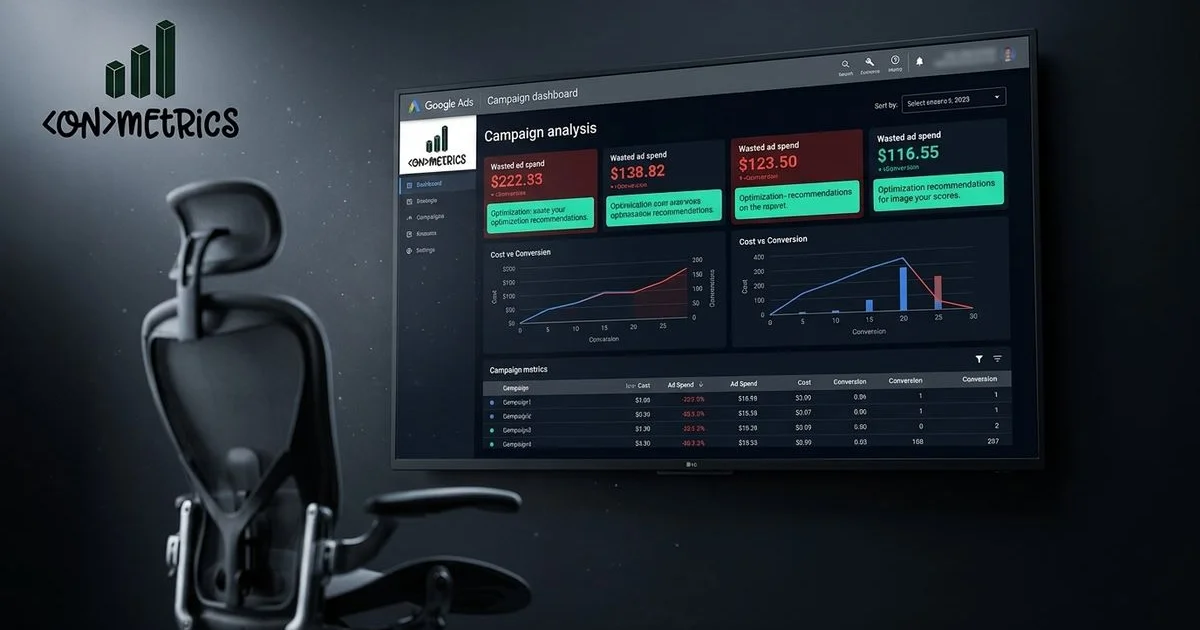

Revenue attribution for local businesses is not about proving a perfect customer journey. It is about connecting enough of the path to make better decisions: which pages, channels, campaigns, calls, forms, and follow-up steps helped create revenue.
Start with the Difference Between a Lead and Revenue
A lead is a signal. Revenue is the business outcome. Local businesses often stop at the signal because it is easier to count. Forms, calls, and clicks are visible. Booked jobs, closed files, retained clients, and repeat purchases require follow-up.
The attribution system should bridge that gap. It should show whether marketing created the kind of opportunities the business can actually monetize.
Understand What Attribution Means
Google Analytics describes attribution as assigning credit for important user actions to ads, clicks, and other factors along a user's path.[1] That definition is useful because it avoids the myth that attribution is exact truth.
Attribution is a model. It assigns credit using available data. It helps compare paths and channels, but it cannot see every conversation, referral, browser limitation, privacy choice, or offline interaction.
Set the Reporting Rules Before Reading the Report
GA4 attribution settings can affect reporting models, eligible channels, and lookback windows.[2] If those settings are not understood, two people can look at the same account and argue from different assumptions.
Local businesses should document the basics: what counts as a key event, which channels are eligible for credit, which lookback window is used, and how offline outcomes are reviewed.
Use Google Ads Attribution Carefully
Google Ads says attribution models assign credit across ad interactions and can affect conversion columns and bid strategies that use conversion data.[3] That matters because attribution is not just reporting; it can influence optimization.
If tracking is weak, bidding can optimize toward weak signals. A student inquiry, spam form, or unqualified call should not be valued like a real booked consultation.
Respect Tracking Limits
Google Ads website conversion tracking can depend on tags, cookies, click identifiers, conversion linker setup, and other implementation details.[4] Browser settings, consent, cross-domain flows, and setup errors can all reduce accuracy.
This is why revenue attribution should be explained as decision support. It can be very useful without being perfect.
Build a Local Revenue Loop
The practical loop is: capture the source, track the conversion, review the lead, connect the booked outcome, record revenue where possible, and feed that insight back into SEO, PPC, content, and landing-page decisions.
ONmetrics supports this through marketing attribution dashboards, conversion-rate optimization, and practical reporting for local service businesses. The aim is to stop guessing which marketing created the money.
What Good Attribution Looks Like
A useful report can answer five questions: which source created the inquiry, which page helped convert it, whether the lead was qualified, whether it became revenue, and what should change next.
If the report cannot lead to a decision, simplify it. Attribution should make budget conversations clearer, not turn them into dashboard archaeology.
Bring Offline Outcomes Back Into the Report
Many local businesses close revenue offline. The customer calls, books a consultation, receives a quote, visits the office, signs an agreement, or pays after the work is complete. If those outcomes never return to the report, attribution stops too early.
The fix does not need to be complex at first. Add a lead-quality field, a booked/not booked status, a rough revenue range, or a closed/won note. Even partial feedback helps reveal which sources create real opportunities.
Over time, that feedback can support better campaign decisions. Paid search can optimize toward qualified calls. SEO can prioritize pages that produce revenue, not just sessions. CRO can focus on the forms and calls that create booked work.
Keep Attribution Humble
Attribution should make decisions clearer, not pretend to explain everything. A customer may hear about the business from a neighbour, search later, click an ad, read reviews, visit twice, then call directly. No model sees that whole story perfectly.
That is why the right language matters. Use attribution to compare evidence, identify patterns, and improve decisions. Do not use it to claim exact causality where the data cannot support it.
The strongest local reporting combines modelled data, platform data, first-party lead notes, and human review. When those signals agree, confidence rises. When they disagree, the disagreement itself is useful because it shows where the tracking or sales process needs attention.
Start Simple Before Automating Everything
The first revenue attribution system can be simple. Capture the source, landing page, conversion type, lead owner, lead quality, and final status. That can live in a CRM, spreadsheet, call-tracking platform, or reporting dashboard as long as the fields are used consistently.
Automation helps after the definitions are stable. If the business cannot agree on what counts as qualified, booked, won, or lost, automation will only move confusion faster.
Once the simple loop works, improve it in stages: add offline conversion imports, connect CRM stages, separate new and repeat customers, and compare first-touch and last-touch patterns. The goal is not a perfect model. The goal is a reporting habit that changes how budget and pages are improved.
Build the Supporting Attribution Stack
Revenue attribution gets stronger when the supporting pieces are named clearly. Start with call tracking for local businesses, connect later outcomes through offline conversion tracking, and define lead quality scoring before scaling spend.
Those layers keep the main revenue report from becoming a pile of raw leads with no business context.
AI visibility needs the same attribution discipline
AI rank trackers can be useful directional tools, but they are still measurement systems with sampling noise, model-version risk, and vendor methodology gaps. ONmetrics Research tested 740 live model calls and found that answer-engine visibility behaves more like a distribution than a fixed ranking. Read the AI rank tracker study before treating AI visibility dashboards as revenue evidence.
References
- [1] Google Analytics Help, Get Started with Attribution. https://support.google.com/analytics/answer/10596866
- [2] Google Analytics Help, Select Attribution Settings. https://support.google.com/analytics/answer/10597962
- [3] Google Ads Help, About Attribution Models. https://support.google.com/google-ads/answer/6259715
- [4] Google Ads Help, How Google Ads Tracks Website Conversions. https://support.google.com/google-ads/answer/7521212
Based in London, Ontario. ONmetrics provides data-driven digital marketing in London, Ontario and across Southwestern Ontario. Book a free audit →